
Steak Temperature Guide: Perfect Doneness Every Time
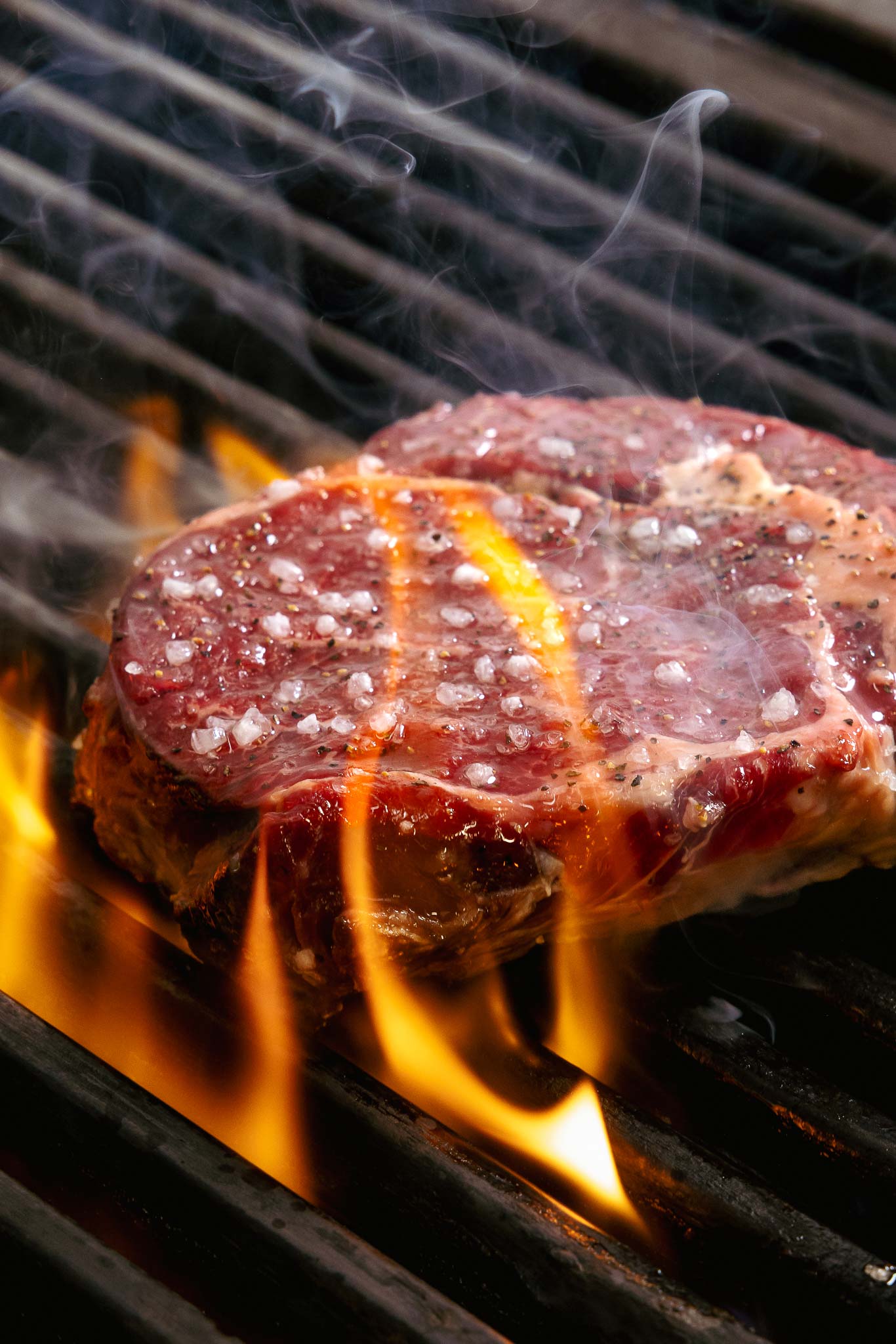
A great steak comes down to a single number on a thermometer. Pull it too early and the center stays cold; leave it too long and a beautiful cut turns gray and dry. Steak temperature decides everything that happens between those two mistakes: how the fat renders, how the juices settle, and how the first bite feels.
At our steakhouse on Prokurative Square, our chefs work daily with a range of dry-aged, salt-aged, and premium steaks. The numbers below pair that experience with the food safety figures every cook should know before serving beef on the rare side.
Learning the target for each level of doneness allows you to land the exact result you want, from a deep red center to a clean pink one.
Steak Temperature Chart: Doneness from Rare to Well-Done
Every level of doneness maps to a specific target you can measure with a probe. The steak temperature chart below lists the final internal reading for each one, the look of the center, and the safe minimum recommended for whole cuts of beef. Use it whether you are cooking at home or ordering off a menu.
| Doneness | Internal Temperature | Center Appearance |
|---|---|---|
| Rare | 52°C | Cool red center, soft and slick |
| Medium Rare | 54 to 57°C | Warm red center, very juicy |
| Medium | 60°C | Warm pink center, firmer feel |
| Medium Well | 66°C | Trace of pink, mostly browned |
| Well Done | 71°C | No pink, cooked through |
| Safe Minimum (USDA) | 63°C, then rest 3 minutes | Recommended floor for whole beef cuts |
The USDA lists 63°C with a three-minute rest as the safe minimum for whole cuts like steaks. Rare and medium rare both fall below that mark. On an intact, non-mechanically tenderized steak, contamination is generally concentrated on the surface rather than distributed throughout the meat, so searing every outer side reduces the risk. It does not, however, replace the USDA temperature recommendation.
Ground meat needs 71°C because the grinding process can spread surface bacteria throughout the blend. Anyone pregnant, very young, elderly, or immunocompromised should strictly follow the recommended minimum temperature.
What Is the Best Steak Temperature?
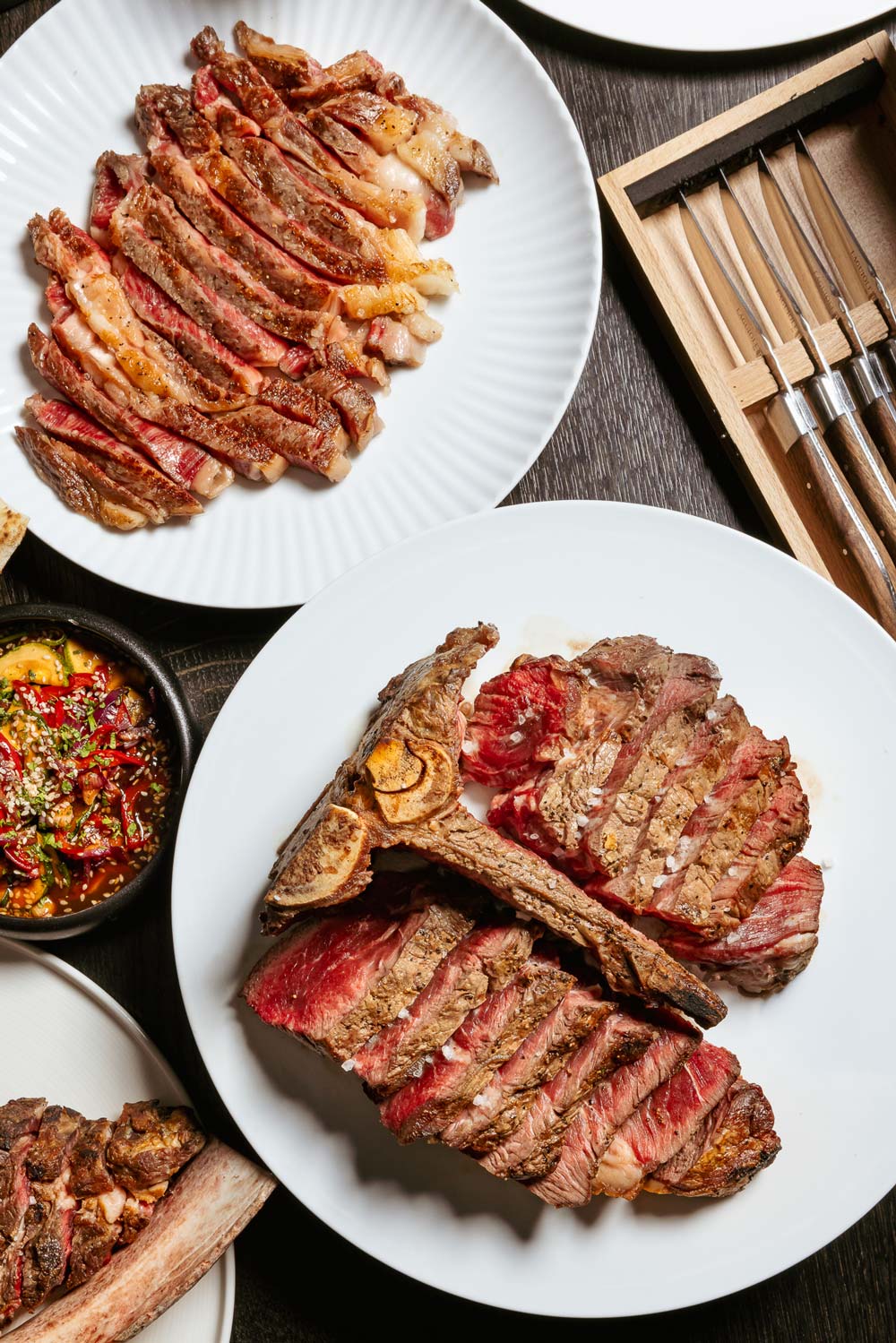
The best steak temperature for most cuts is medium rare, 54 to 57°C. At this range, the fat begins to soften, the muscle stays tender, and the juices remain inside the meat. Choosing the best doneness is partly personal, though, and a handful of cuts reward a different target.
Why Medium Rare Is Often Preferred
Medium rare hits the exact point where heat does the most good with the least damage. Fat and collagen begin to melt and coat the fibers, while the proteins have not yet squeezed out their moisture. A medium rare temperature of 54 to 57°C gives a warm red center that slices cleanly and tastes purely of quality beef rather than smoke. Steakhouses lean on this target for prime cuts because it flatters marbling better than any hotter option.
How Doneness Affects Texture and Juiciness
Heat changes a steak in stages, and each step trades a little juice for a little firmness. Around 49°C, the muscle is soft and yields easily under pressure. By 60°C, the medium steak temperature, proteins tighten and push water toward the surface, so the bite firms up while a touch of pink remains. Past 68°C, most of the moisture has cooked off, leaving a chewier, drier slice.
A home cook searing a five-centimeter ribeye notices this most near the top of the scale, where just three degrees can turn a juicy cut into a tough one.
Recommended Steak Doneness by Cut
The right doneness depends entirely on what you put on the grill. Lean cuts dry out quickly and require a lower target, while heavily marbled cuts hold up to more heat before they start to dry out. Here is where each popular option lands, while the Bajamonti menu provides the current selection available at our restaurant.
Ribeye
Ribeye carries the most fat of the common steaks, so it shines at medium rare to medium, 54 to 60°C. The extra marbling needs a little heat to render, and a ribeye pulled too rare feels waxy where the fat stays solid. The higher end of medium rare allows the fat to soften while preserving the red center.
Filet Mignon
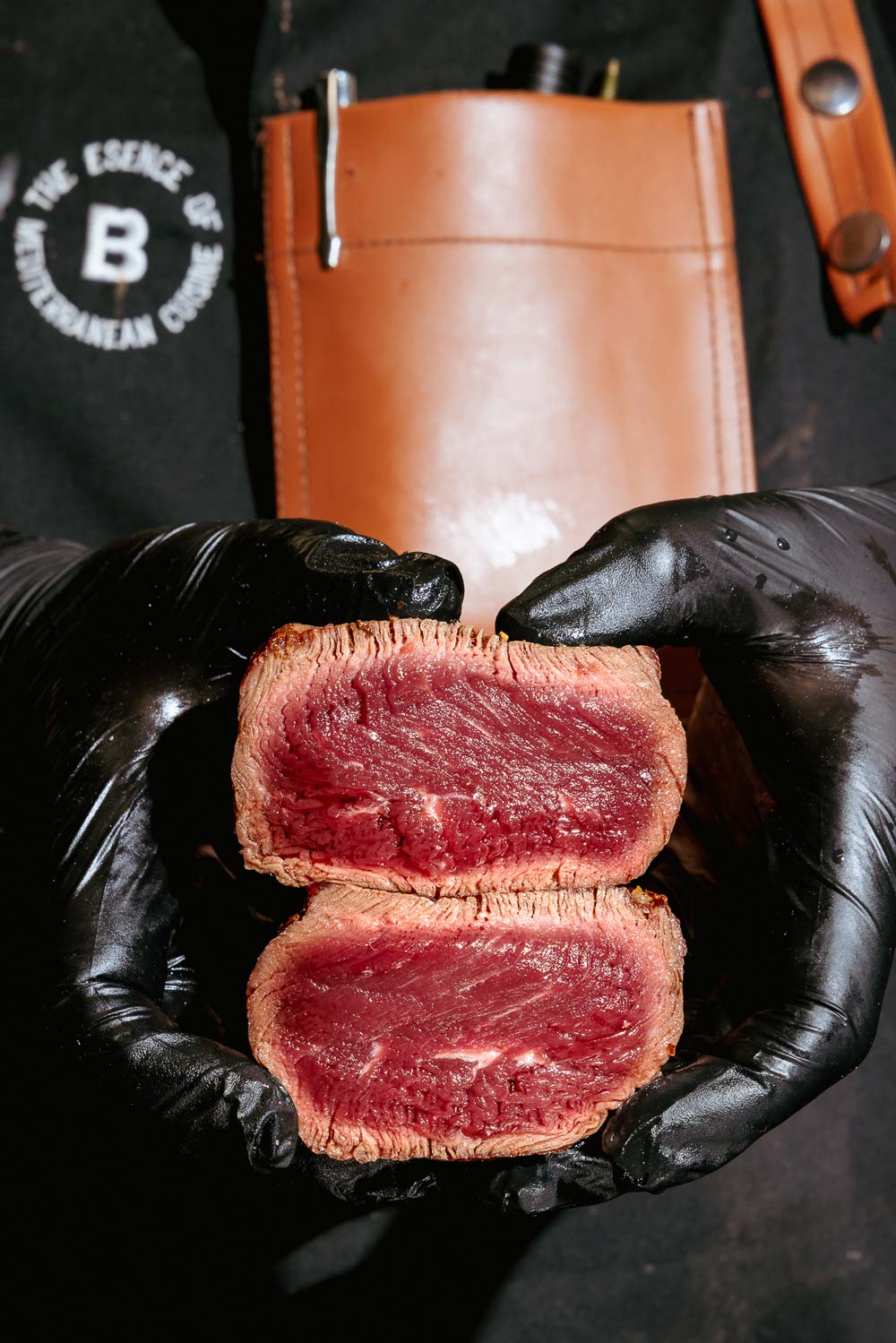
Filet mignon is lean and naturally tender, with little fat to protect it, so medium rare at 54 to 57°C suits it best. Push past medium and the cut goes from butter-soft to dry in a hurry, since there is no marbling to mask the moisture loss. A clean sear and a short rest keep this one at its peak.
Sirloin
Sirloin runs leaner and firmer than the premium cuts, with real beef flavor and less fat. Keeping it at medium rare to medium, around 54 to 60°C, keeps it tender without turning it rubbery. Slice against the grain after resting and even this everyday cut becomes a standout dish.
Strip Steak
Strip steak, also called New York strip, sits between ribeye and sirloin in fat content, making a medium rare temperature of 54 to 57°C ideal. Its tighter grain firms up faster than a ribeye, so overcooking shows quickly on the plate. Pull it on the early side and let carryover heat finish the job.
T-Bone & Porterhouse
A T-bone and its larger cousin the porterhouse carry two different cuts on a single bone: a strip on one side and a tenderloin on the other. The tenderloin side cooks faster and dries out sooner, so aim for a consistent medium rare across the steak, 54 to 57°C, and keep the smaller tenderloin section away from the hottest part of the fire. Positioning the steak carefully helps both muscles cook evenly.
Pull Temperature vs Final Steak Temperature
A steak keeps cooking after it leaves the heat, so the number you pull at is lower than the number you serve at. Plan for that gap and your steak temperature lands where you want it, not past the mark.
What Is Carryover Cooking?
Carryover cooking is the rise in internal temperature that continues after a steak comes off the grill. Heat stored in the outer layers keeps moving inward while the meat rests, so the center climbs with no flame underneath. Pull a steak exactly at your goal, and it will sail past it on the cutting board.
How Much Does Steak Temperature Rise While Resting?
Most steaks gain about 3°C as they rest, though a thick cut off a hot fire climbs closer to 5 or 6°C. For a medium rare finish of 54 to 57°C, pull the steak near 52°C and let it sit five to ten minutes. Thicker cuts hold more heat, so give them the longer end of that window.
How to Measure Steak Temperature Accurately
A thermometer removes the guesswork that can ruin good beef. An instant-read probe gives the true center temperature in seconds, making it far more reliable than poking the meat or slicing it open to peek inside.
Where to Insert a Meat Thermometer
Slide the probe into the thickest part of the steak, aiming for the dead center where the meat heats slowest. Go in from the side on a thinner cut so the tip lands squarely in the middle rather than poking out the far edge. Stay clear of bone and large fat pockets, since both register a different temperature than the muscle around them.
When to Check the Temperature
Check the temperature near the end of the cooking process, not the start. For a steak you expect to finish around medium rare, take a first reading a couple of minutes before you think it is done, then check again right before pulling it. Probing too early only opens extra holes for juices to escape, so wait until the timing feels close.
Common Temperature-Checking Mistakes to Avoid
A few habits throw off the reading more than any thermometer flaw:
- Probing too shallow, which catches the cooler outer layer instead of the center.
- Hitting bone or fat, both of which sit at a different temperature than the meat.
- Reading once and trusting it, when a second check from another angle confirms the real center.
- Forgetting carryover, so the steak overshoots while it rests.
Bajamonti's Approach to Steak Temperature and Doneness
At Bajamonti, numbers guide us, but preparing a great steak is part instrument and part instinct. We work with dry-aged, salt-aged, and premium beef, and each cut responds differently to heat. Here is how we approach doneness during every service on Prokurative Square.
How Open-Fire Grilling Affects Steak Temperature
Open fire runs hotter and less evenly than a kitchen range, meaning the surface chars fast while the center catches up. That fierce heat builds a deep crust and drives more carryover cooking, which is why we pull steaks earlier than a home cook might. Our grill chefs read the flame and shift cuts between hotter and cooler zones to land the core temperature exactly where it belongs.
What Dry Aging Changes About Cooking and Doneness
Dry aging concentrates flavor and tenderizes the muscle by drawing out moisture over time. At Bajamonti, our T-bone is kept in the dry-ager for 40 days, while the Tomahawk is aged for 28 days and the Rib Eye follows a 28-day salt-aging process. Each responds differently to heat, so the cut, marbling, and aging method all matter when choosing the right doneness.
How Our Chefs Know When a Steak Is Perfect
Experience helps a cook recognize when a steak is getting close by its firmness, surface color, and overall appearance. A thermometer provides the most reliable confirmation, particularly with thicker cuts, and removes any doubt before the steak is served.
And to experience that same care in person, you can book a table for your next visit to Prokurative Square.
Steak Temperature FAQs
Can I Cook Steak Without a Thermometer?
Yes, the finger test and visual cues work well with practice, but a thermometer is far more reliable. For consistent results on pricier premium cuts, a probe pays for itself quickly.
Is It Safe to Eat Steak Rare?
Rare steak does not reach the USDA-recommended minimum of 63°C followed by a three-minute rest. Searing the entire surface of an intact steak reduces the risk, but anyone at higher risk of foodborne illness should avoid rare beef.
Does the Cut Change the Ideal Steak Temperature?
Yes, lean cuts like filet mignon are best suited to medium rare, while fatty cuts like ribeye require a touch more heat to properly render the marbling. Always match the target temperature to the specific cut.
Why Do Different Steak Temperature Charts Vary?
Charts differ because chefs and food safety agencies weigh taste against caution differently. Culinary ranges favor flavor at lower readings, while the USDA sets 63°C as its safe minimum.