
Wagyu Steak in Split: Which Cut Should You Choose?
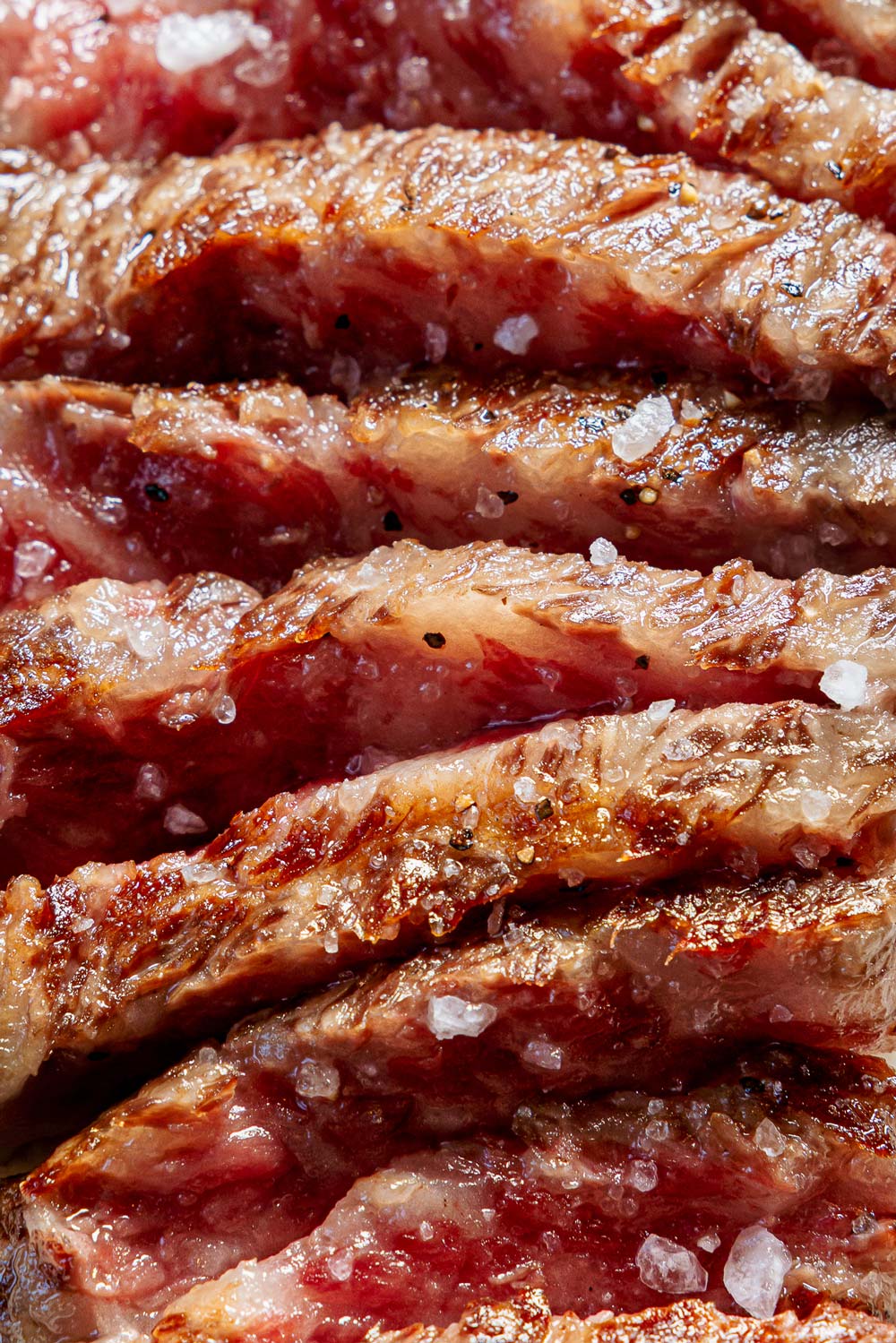
At Bajamonti, we serve Japanese A5 Wagyu steak in Split, on Prokurative Square in the historic center. Our selection includes striploin, ribeye and tenderloin, each with its own balance of richness, tenderness and texture. Which cut you choose depends on what you enjoy most, how much you want to eat and what else you plan to order. Wagyu is part of our steak selection, alongside dry-aged Croatian cuts and Irish ribeye.
What Is Wagyu Beef?
Wagyu means “Japanese cattle” and refers to four Japanese cattle breeds, including Japanese Black. Japanese A5 beef is known for its abundant marbling, the fine deposits of fat within the muscle. Other beef also has marbling, but the amount and distribution of fat in A5 Wagyu contribute to its characteristic richness and tender texture.
A5 is a grade rather than a cut or a brand. The Japan Meat Grading Association’s system combines two grades: the letter, from A to C, indicates estimated meat yield from the carcass, while the number, from 1 to 5, assesses marbling, meat color and brightness, firmness and texture, and fat color and quality. A5 is the highest grade in this system. This distinction matters because Wagyu cattle are also raised outside Japan, sometimes crossed with local breeds, and beef from these cattle can also be sold as Wagyu. At Bajamonti, all three cuts are Japanese A5 Wagyu.
Which Wagyu Cuts Can You Try at Bajamonti?
Our A5 selection includes striploin from Kagoshima, ribeye from Hokkaido and tenderloin from Iwate. Each cut has a different balance of tenderness, texture and fat distribution, although individual steaks can vary even within the same grade. Understanding these differences can help you choose the cut that best suits your preferences.
A5 Striploin from Kagoshima
Striploin comes from the back and combines tenderness with a more defined texture than tenderloin. The A5 striploin from Kagoshima is a good choice if you enjoy rich marbling with a slightly firmer bite.
A5 Ribeye from Hokkaido
Ribeye comes from the rib section and contains fat both within and between the muscles. This gives A5 ribeye its particularly rich flavor and texture. The A5 ribeye from Hokkaido is a great choice if you enjoy a richer, more generously marbled steak.
A5 Tenderloin from Iwate
| Cut | Typical texture and richness | A good choice if |
|---|---|---|
| A5 striploin | Tender, with a slightly firmer bite and rich marbling | You enjoy richness with some texture |
| A5 ribeye | Particularly rich, with generous fat distribution | You prefer a fuller, fattier steak |
| A5 tenderloin | Very tender, with a delicate texture | Tenderness matters most to you |
Tenderloin comes from a muscle beneath the spine that does relatively little work, making it one of the most tender beef cuts. The A5 tenderloin from Iwate has a delicate texture and generally less fat than ribeye. It is a good choice if tenderness is your priority, while striploin may appeal more if you prefer a firmer bite.
What Should You Know Before Ordering Wagyu?
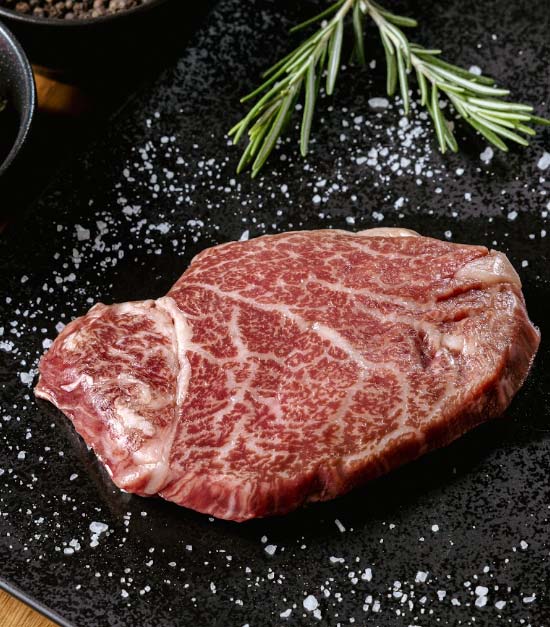
Choosing the cut is only part of the decision. You also need to consider the portion size, how you want the steak cooked and whether Wagyu will be the main part of your meal or one of several dishes you order.
Portion Size and Price
Japanese A5 Wagyu is rich, so a smaller portion may be enough, particularly if you are also ordering starters and side dishes. The right amount depends on your appetite and whether Wagyu is the main part of your meal or something you plan to share.
The price reflects factors such as the cut, grade, production costs and the cost of importing the beef from Japan. When comparing options, look at both the weight and the listed price.
Our menu lists each A5 Wagyu cut at 100 g. If you would like a different portion, confirm the available weight and current price with your server. Before ordering, it is also worth checking:
- the portion weight actually available for the cut you want
- the total price for that weight, not only the price per 100 g
- which sides and sauces come with the steak and which are charged separately
Our full menu also includes pizza, pasta and fish, so everyone at the table can choose a dish they prefer.
Choosing Your Doneness
Tell your server how you normally like your steak cooked and which Wagyu cut you have chosen. The cut and thickness affect how the steak cooks, so you can also ask what the kitchen recommends for your order. Longer cooking changes the texture and renders more fat, but there is no single level of doneness that works for everyone. Your preferred level of steak doneness can be a useful starting point when discussing your order.
Trying Wagyu as Part of a Sharing Plate
Our World Tour steak selection lets you try Wagyu alongside other cuts. It combines a T-bone or tomahawk of approximately 1.5 kg with 100 g of Wagyu and 300 g of striploin. It is an option for a table that wants to share several steaks and compare their textures and flavors. Confirm the current composition when ordering.
What Goes Well with Wagyu Steak?
Grilled vegetables or our arugula, lamb’s lettuce and tomato salad offer a fresh contrast to Wagyu’s richness. If you order a sauce, serving it on the side lets you decide how much to add to each bite. We recommend Cabernet Sauvignon Festigia with our A5 striploin. Other wines on our wine list give you plenty of options to choose from according to your taste and the rest of the meal.
Try Japanese A5 Wagyu on Prokurative
Bajamonti is at Trg Republike 1, on Prokurative square in Split’s Old Town. If you have a particular A5 cut in mind, contact us before your visit to confirm availability or discuss any dietary requirements. You can book a table at Bajamonti online.
Frequently Asked Questions About Wagyu Steak
Is Wagyu the Same as Kobe Beef?
No. Kobe beef is a specific type of Wagyu beef that must meet Kobe’s certification standards. It comes from Tajima cattle born, raised and processed in Hyogo Prefecture. All Kobe beef is Wagyu, but most Wagyu is not Kobe.
Is Wagyu Steak Dry-Aged?
Not necessarily. Wagyu describes the cattle and their beef, while dry-aging is a separate maturation process. Our menu identifies the Croatian T-bone and tomahawk as dry-aged. If you want to know whether a particular A5 cut has been dry-aged, ask our team before ordering.