
Types of Steak: Bajamonti Guide to the Cuts Worth Ordering
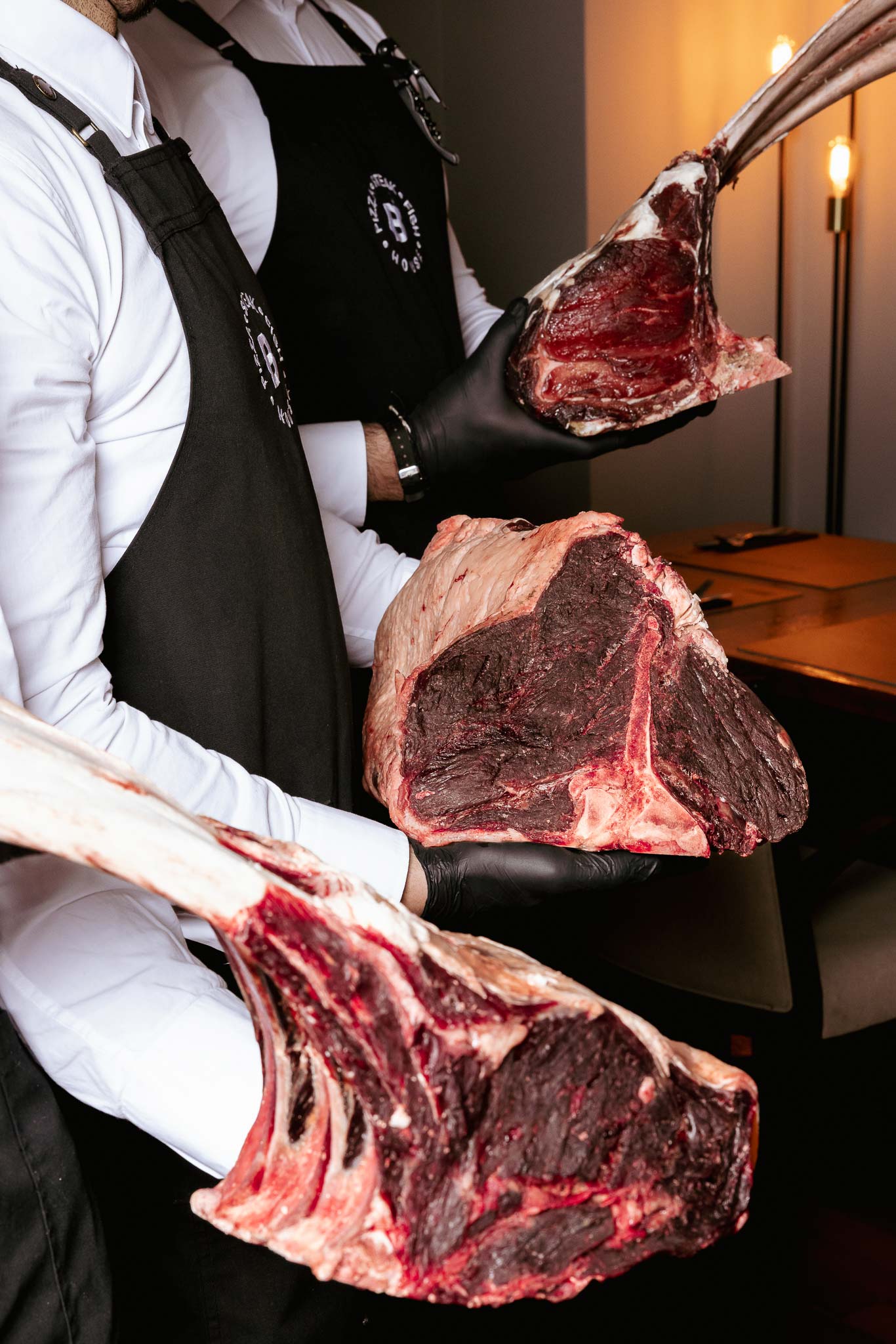
The scent from the grill and the first cut through a browned crust set the tone, but the ultimate dining experience begins with the steak you choose. Ribeye brings richness, filet mignon is prized for tenderness, and T-bone offers two distinct textures on one plate.
The main types of steak have their own balance of fat, flavor, and structure. Knowing how dry-aging, level of doneness, and muscle composition affect the meat makes it easier to order a cut that suits the occasion, whether you are eating at our restaurant in Split Old Town or grilling at home.
How a Steakhouse Reads a Steak
A chef notices details that may not stand out at first glance. The pattern of fat reveals how rich the meat will taste, its anatomical position on the animal indicates its texture, and its thickness dictates how it should meet the high heat of the grill. Dry-aging adds another layer of depth before the cooking process even begins.
Marbling, the Fat That Carries Flavor
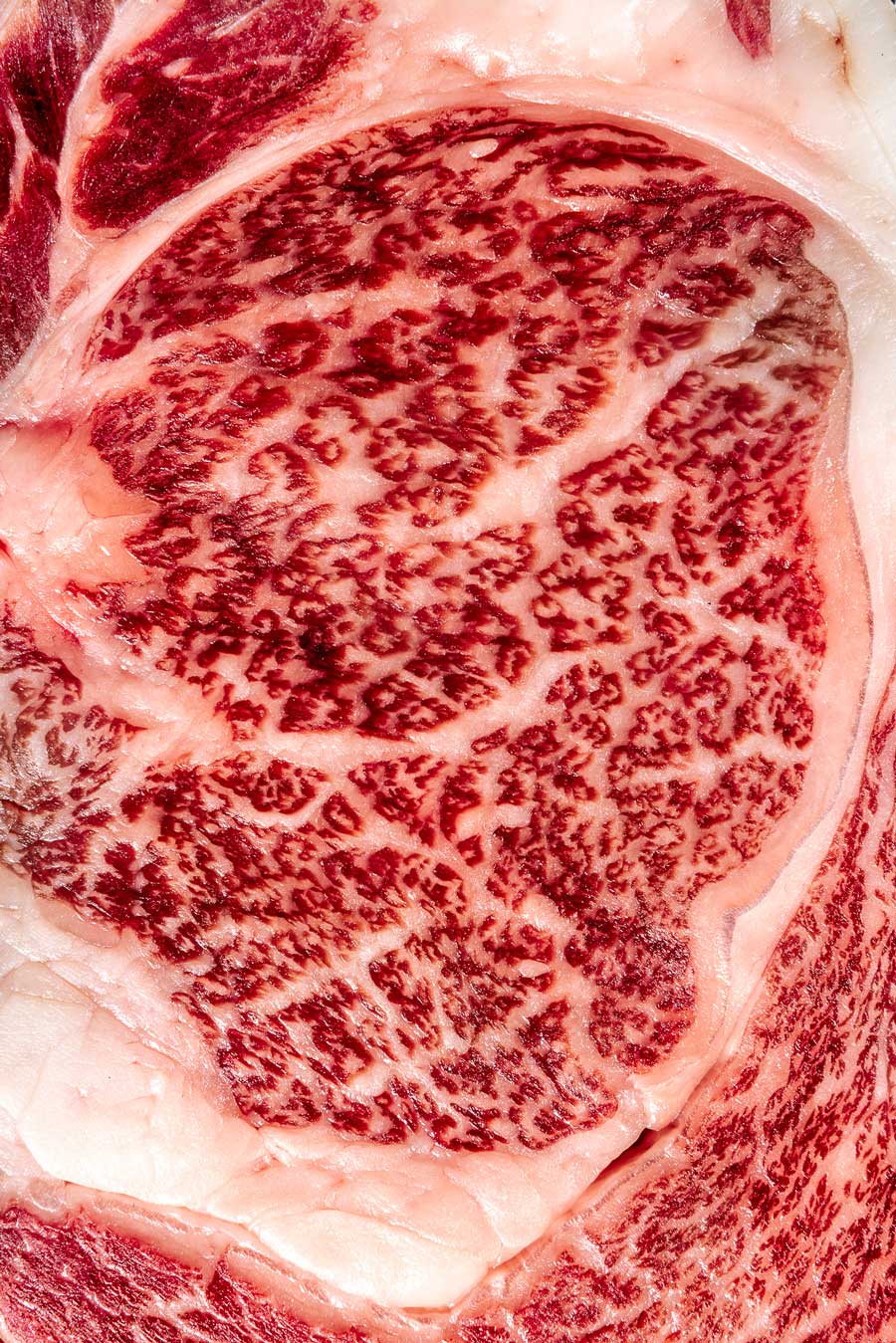
The fine white lines running through a steak are known as marbling. As they soften over the grill, they baste the muscle fibers from within and give the meat a fuller, juicier mouthfeel.
Distribution is key. Fine streaks running evenly across the cut ensure a consistently rich bite, while thicker seams of fat require precise heat management to render properly. A chef analyzes this marbling pattern before deciding on the ideal cooking technique for each portion.
Guests who enjoy a juicy steak with plenty of depth usually prefer visible marbling. Leaner cuts offer a cleaner profile and leave more room for sauces, richer side dishes, or a pairing from our wine list that complements rather than overwhelms the meat.
Tenderness and Where the Cut Sits
A steak’s tenderness is directly tied to how much work the muscle performs. Muscles near the legs and shoulders endure constant movement, developing stronger, denser fibers. In contrast, muscles running along the spine perform far less physical work, remaining remarkably fine-grained and tender.
Filet mignon comes from the tenderloin, which accounts for its delicate texture. New York strip also comes from the loin, although its tighter grain gives it a firmer, more substantial bite.
Proper resting after grilling and careful slicing preserve those natural differences, allowing each cut to keep the texture that makes it distinctive.
What Dry-Aging Does to the Meat
During the dry-aging process, large pieces of beef rest in a chamber where temperature, humidity, and airflow remain closely controlled. As moisture gradually evaporates, natural enzymes break down connective tissue, gently tenderizing the meat.
Over time, the flavor becomes more concentrated, developing complex, savory note and a riceher aroma. The texture also becomes remarkably tender, while a dark exterior forms during the process, which is trimmed away before portioning.
Longer aging does not automatically mean a superior steak. The ideal duration depends on the initial quality of the beef, chamber humidity, and the desired flavor balance. This is why our dry-aged steak selection focuses on bringing out the unique character of each cut rather than chasing aging times alone.
Popular Types of Steak (Cuts Explained)
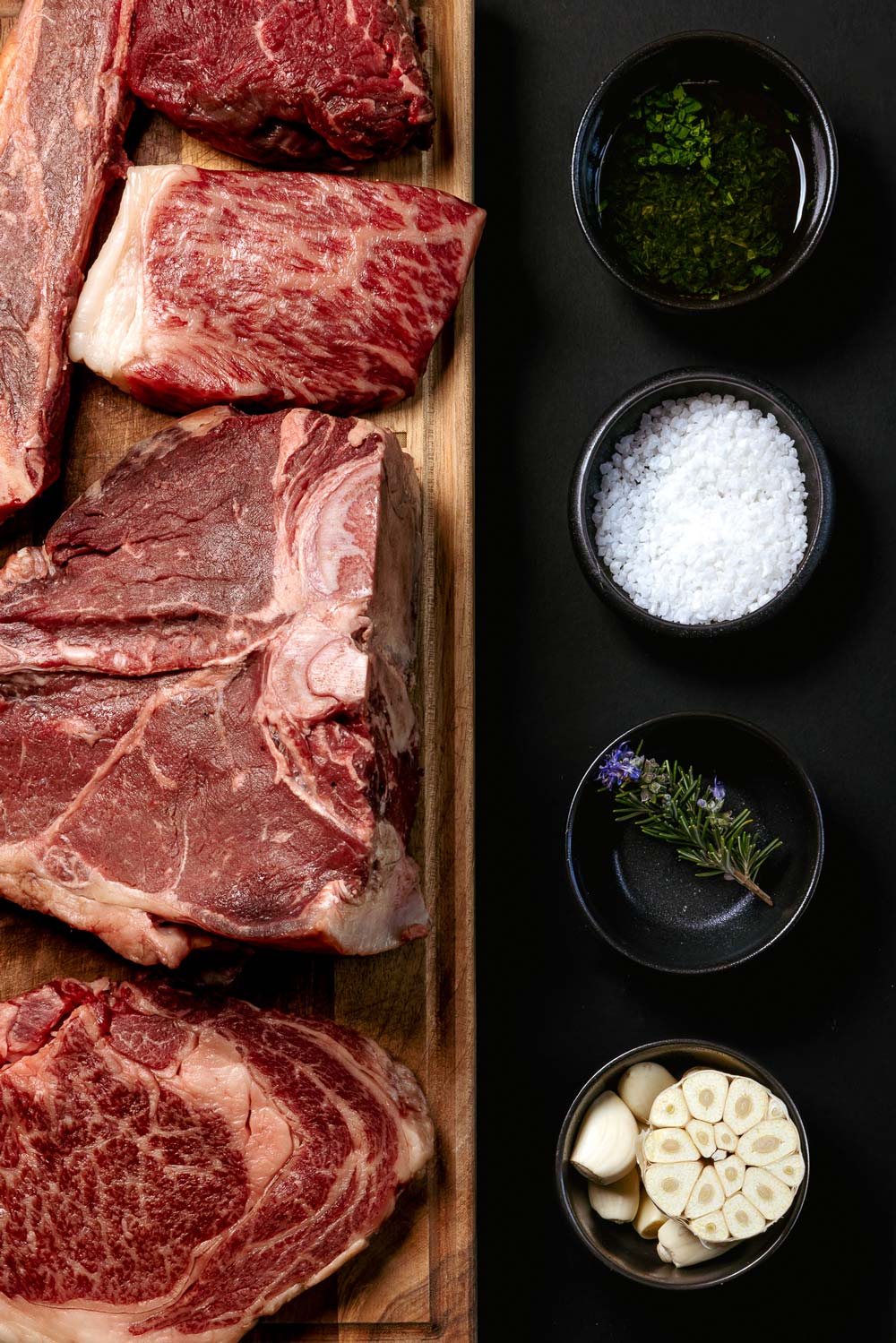
Comparing different steak cuts becomes straightforward once you understand their individual characteristics. This quick guide breaks down popular cuts, while the detailed sections below explore what makes each option unique.
| Cut | Signature Quality | Best suited to |
|---|---|---|
| Ribeye | Rich, well-marbled fat | Full-flavored, juicy bites |
| T-bone | Two textures in one cut | Variety on a single plate |
| Porterhouse | Larger tenderloin portion | Sharing with more filet |
| Tomahawk | Dramatic bone and thick ribeye | Centerpiece moments |
| Filet mignon | Exceptional softness | Pure tenderness lovers |
| New York strip | Firm, classic beef flavor | Traditional steakhouse experience |
Ribeye
The ribeye rewards anyone seeking a steak packed with rich, robust character. Several muscle groups run through the cut, creating subtle changes in texture from the center to the outer edge.
The most prized part of this cut is the ribeye cap. Its loose grain and fine fat yield an insanely tender, buttery bite, while the center provides a meatier, deeply satisfying flavor.
A high-heat sear locks in flavor with a dark, savory crust, yielding a melt-in-your-mouth interior that stays incredibly juicy from the first slice to the last.
T-Bone and Porterhouse
T-bone places strip steak on one side of the bone and tenderloin on the other. The strip feels firm and beefy, while the smaller filet section offers a softer contrast.
Porterhouse follows the same layout, but with a larger tenderloin. The extra filet makes it a popular choice for two people who want variety without ordering separate steaks.
The two sides cook at different speeds, so careful grill placement keeps both close to their ideal texture.
Tomahawk
Tomahawk makes an impression the moment it arrives at the table. Featuring a long rib bone resembling an axe handle, this thick-cut ribeye allows the chef to achieve an exquisite caramelized crust while keeping the center cooked to perfection.
After resting, the steak is carved into broad slices that are easy to pass around the table. The format suits a slower meal with starters, side dishes, and enough time to enjoy the occasion.
Filet Mignon
Filet mignon is known for a soft, fine-grained texture that gives easily under the knife. Its low-fat content creates a milder taste than ribeye or strip.
Mushrooms, compound butter, or a reduced sauce add depth while allowing the beef to remain the focus. Bacon wrapping is another familiar preparation, bringing richness to the outside of this lean cut.
Filet is a perfect choice for diners who care most about tenderness or prefer a smaller portion with room for other courses.
New York Strip
The New York Strip delivers the signature beefy flavor and satisfying bite associated with classic steakhouse meal. Featuring a strip of fat along one edge, the interior muscle is tighter and leaner than a ribeye.
High heat creates a dark crust that complements the cut’s dense texture. The inside stays juicy when cooked with care and given enough time to rest before slicing.
Choosing the Right Cut
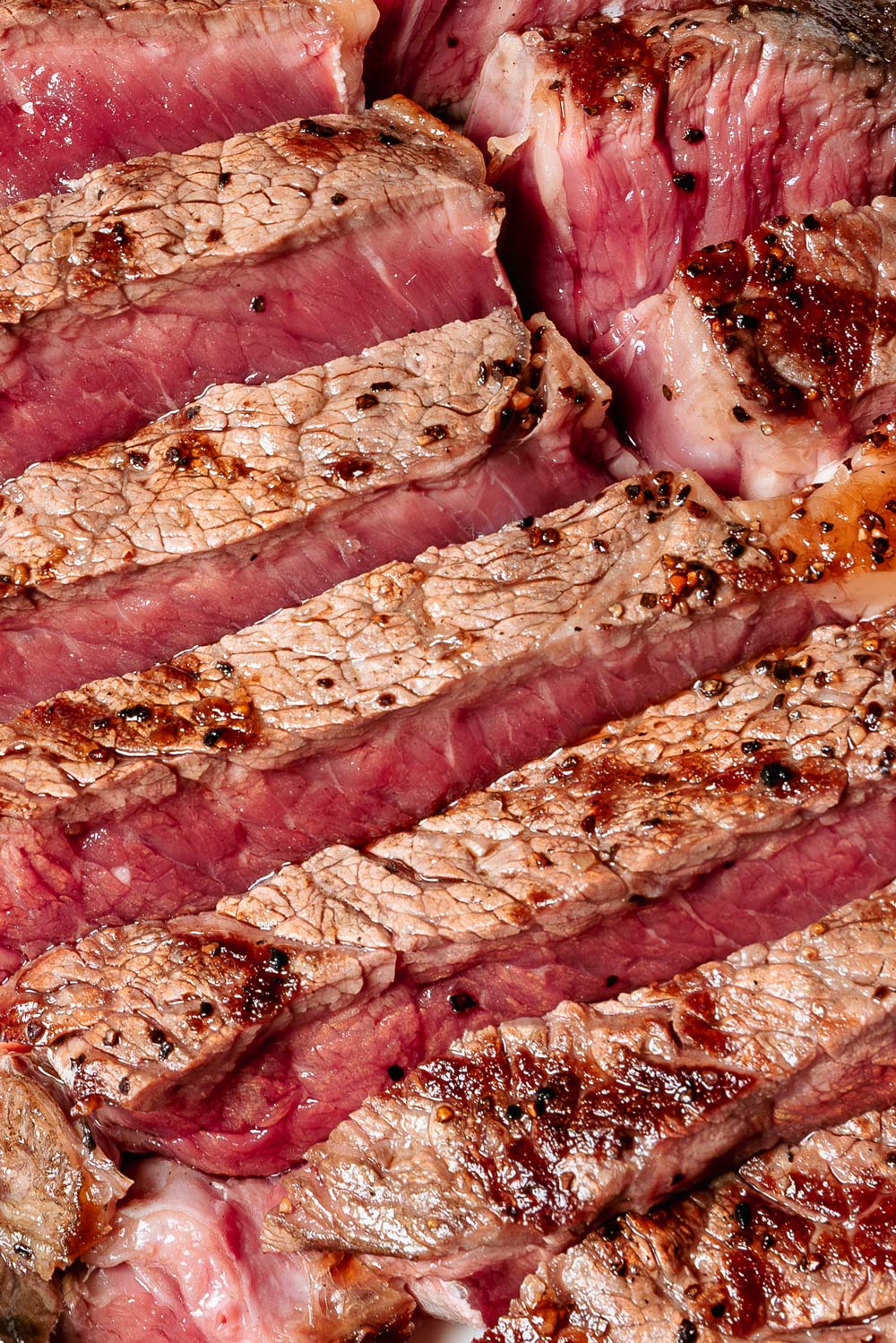
Selecting the ideal steak comes down to your personal taste priorities: richness, tenderness, portion size, or desired doneness.
Flavor or Tenderness?
If richness comes first, choose ribeye. Its marbling delivers deep flavor and a buttery mouthfeel.
For maximum tenderness, filet mignon is unmatched. New York strip offers a strong middle path with bold beef flavor and satisfying chew.
Want both textures? T-bone lets you enjoy strip and tenderloin side by side.
The Best Steaks to Share
Large bone-in cuts truly shine when shared during group dining. A T-Bone brings contrasting textures to the table, a porterhouse offers an expanded tenderloin section, and a tomahawk serves as a show-stopping centerpiece carved for easy sharing.
When ordering for the table, consider the entire meal. Pairing a generous large-format cut with appetizers and side dishes from our full menu creates a memorable feast for two or three guests.
Matching the Cut to Its Doneness
The level of doneness should highlight the natural strengths of each specific cut. Lean steaks dry out if overcooked, whereas marbled cuts require enough heat for the intramuscular fat to melt properly.
Rare or medium-rare suits filet mignon, preserving its delicate center. New York strip also shines at medium-rare, maintaining juice while preserving its firm structure.
Ribeye benefits from medium-rare or medium, especially in thicker portions. Thick bone-in cuts require expert timing on the grill due to their density.
Guests looking for personal recommendations are always welcome to reserve a table with us and discuss their preferences with our team on arrival.
The Steaks We Serve at Bajamonti
An impressive dry-aging cabinet greets guests at our entrance, showcasing prime cuts undergoing a meticulous aging process. Among our signature à la carte specialties, guests frequently praise our 40-day dry-aged T-Bone, dry-aged Ribeye, tender lamb chops, and marinated Black Slavonian Pork steak.
Our 40-Day Dry-Aged T-Bone
Premium Croatian beef rests in our dry-aging chamber for 40 full days – the longest aging cut on our menu. This extended maturation makes our dry-aged T-Bone a true flagship offering, giving guests both flavorful strip and soft tenderloin in one extraordinary cut.
Ribeye and Black Angus, Sourced With Care
Our prime ribeye is selected from Irish beef and aged for 28 days, intensifying its rich marbling and natural depth. We also serve Scottish Black Angus, aged for 28 days and served alongside wok-seared smoky vegetables. Both represent highlights of our steakhouse menu in Split.
Cuts Carved for Sharing
Our 28-day dry-aged ribeye for two is carved tableside and served medium-rare according to our chef’s recommendation. Sliced and ready to pass around, it allows everyone at the table to indulge effortlessly. For larger dinner parties or special celebrations, our private event options allow the menu and seating to be planned around the occasion.
FAQ About Types of Steak
What is the most tender cut of steak?
Filet mignon is the most tender cut because it comes from the tenderloin, a fine-grained muscle that performs very little physical work.
What is the most flavorful type of steak?
Ribeye is often considered the most flavorful steak because its generous internal fat melts during cooking and carries richness through the meat.
What is the difference between ribeye and T-bone?
Ribeye is a marbled rib cut, while T-bone combines New York strip and tenderloin on opposite sides of a central bone.
Which steak is best for two people to share?
T-bone, porterhouse, and tomahawk all suit two diners. The right option depends on appetite, preferred texture, and the other dishes ordered.
What does dry-aged steak mean?
Dry-aged steak matures under controlled airflow, humidity, and temperature, allowing moisture loss and natural enzymes to deepen flavor and soften the meat.